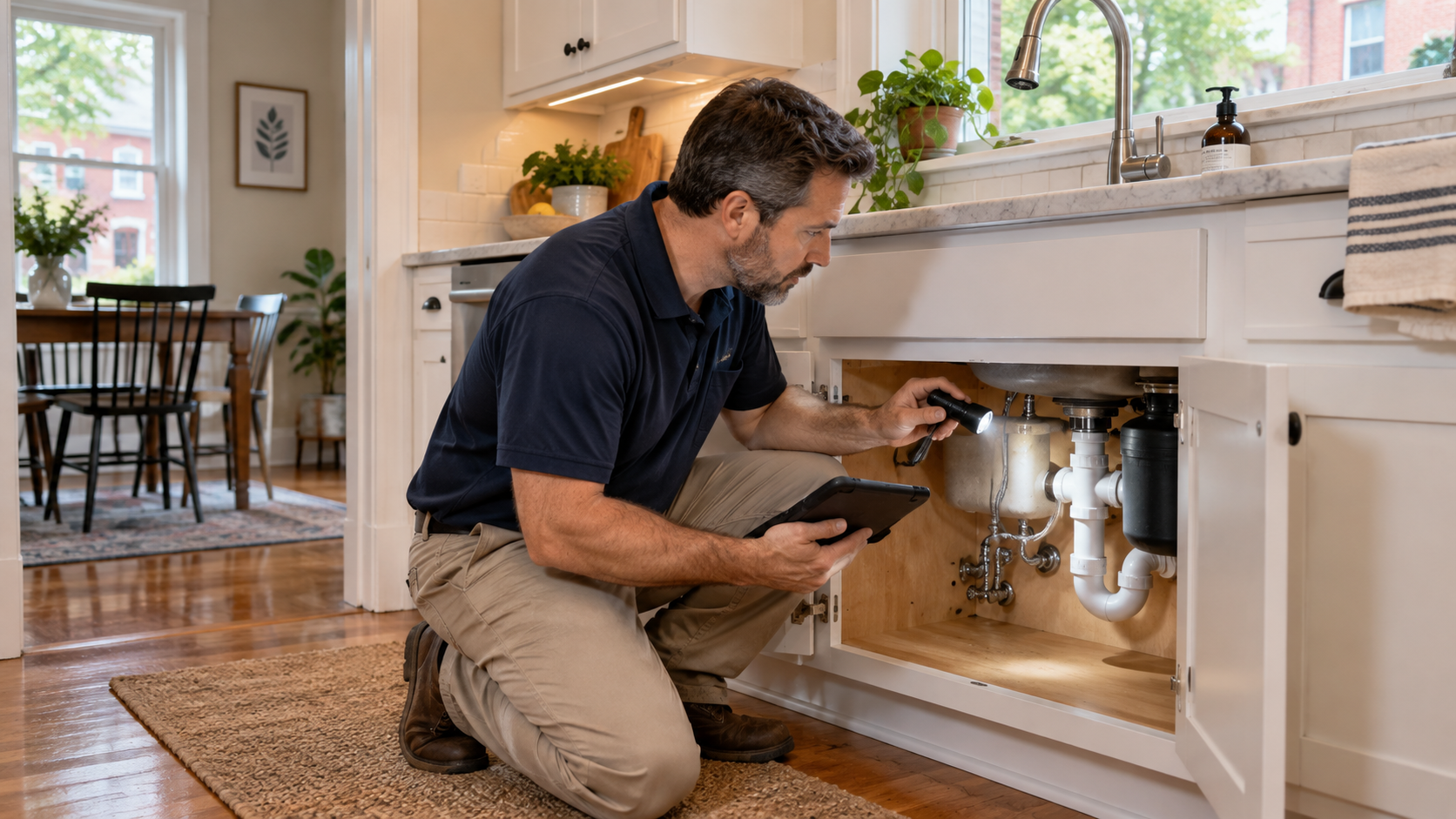

For a lot of buyers, the home inspection is the most nerve-wracking part of the entire process. You've found a house you love, you're under contract, and now a stranger with a flashlight and a clipboard is about to spend a few hours finding everything that could possibly be wrong with it. Here's the thing: that's exactly what a good inspection should do, and understanding what's coming makes the whole experience a lot less stressful.
What a Home Inspection Actually Covers
A standard home inspection typically takes two to four hours, depending on the size and age of the home, and covers the major systems and structural elements that would be expensive or dangerous to have problems with. That includes the roof, foundation, structural framing, electrical system, plumbing, HVAC, water heater, and visible insulation and ventilation.
Inspectors will test outlets and switches, run the furnace and air conditioning to confirm they're functioning, check for signs of water intrusion or past water damage, look at the attic and crawlspace if accessible, and examine windows, doors, and major appliances that are included in the sale. What they won't do is open up walls, move furniture, or perform any kind of invasive testing, an inspection is a visual and functional assessment, not a forensic investigation.
Why You Should Attend in Person
We always encourage buyers to attend their inspection whenever possible, rather than just reading the report afterward. A written report can only convey so much. Standing next to the inspector while they point out how a water heater's age affects its remaining useful life, or why a certain type of electrical panel is worth knowing about, gives you context that's hard to get from photos and bullet points alone.
It's also simply the best opportunity you'll get to ask direct questions about how things work in your future home before you own it: where the water shutoff is, how the HVAC zones are set up, or what regular maintenance a specific system needs. Inspectors do this for a living and are usually happy to walk you through it if you're there.
What Counts as a Big Deal vs. a Minor Issue
Every home, even a newly built one, will have some items on an inspection report. That's normal and shouldn't automatically be alarming. The key is learning to separate genuinely significant issues from the kind of minor wear and tear that exists in every home.
Major structural or safety items, things like foundation cracks that suggest ongoing movement, active roof leaks, outdated or unsafe electrical wiring, major HVAC or plumbing failures, or signs of significant water damage, are worth taking seriously and often worth negotiating over. Minor issues, like a loose cabinet hinge, a cracked outlet cover, or a slow bathroom drain, are typically just normal maintenance items that come with owning any home and usually aren't worth derailing a deal over.
Part of our job is helping you read a report with that lens, so you're not panicking over a GFCI outlet that needs resetting while potentially overlooking something that genuinely matters.
What Happens After the Report Comes In
Once the inspection report is complete, we'll go through it together and talk through what actually matters for your specific situation. From there, buyers generally have a few paths depending on what the contract allows and what the findings show: request that the seller complete specific repairs before closing, ask for a credit at closing so you can handle repairs yourself after you move in, renegotiate the purchase price to reflect the cost of needed work, or in some cases, walk away from the deal entirely if the inspection contingency allows it and the issues are serious enough.
There's no single right answer here, it depends on the issue, the market, and what matters most to you. Some buyers would rather have cash in hand to fix things their own way; others want peace of mind that repairs are done correctly before they move in. We'll help you think through which approach makes the most sense given what the inspection actually found.
Specialty Inspections Worth Considering
A standard home inspection doesn't cover everything. Depending on the home's age, location, and your own concerns, it may be worth adding specialty inspections like radon testing, termite or pest inspections, sewer scope inspections for older homes, or mold testing if there are visible concerns. These typically cost extra and aren't always necessary, but they can be well worth it for certain properties, older homes with a history of pest issues, or homes in areas with known radon concerns, for example.
We can help you figure out which, if any, of these make sense for the specific home you're buying, rather than paying for every add-on just to be thorough.
What This Means If You're Selling
If you're on the selling side, understanding what buyers' inspectors look for can help you prepare before your home ever hits the market. Simple things like replacing burnt-out bulbs, clearing access to the electrical panel and water heater, fixing minor leaks, and making sure smoke detectors are functional can prevent small items from showing up on a report and giving buyers a negotiating foothold. For bigger-ticket items like an aging roof or HVAC system, it's often worth getting ahead of the conversation with a pre-listing inspection so there are no surprises once you're under contract.
We'll Walk Through It Together
A home inspection isn't something to dread, it's one of the most valuable tools you have to make sure you know exactly what you're buying before it's truly yours. Whether you're a first-time buyer trying to understand what's normal, or a seller wanting to get ahead of potential issues, we're with you through the entire process, report and all.
If you have questions about an upcoming inspection or want help preparing your home before you list, reach out to Real Deal Home Team. We're happy to walk you through what to expect.